
Top 10 Packaging Machine Manufacturers in 2026: A Global Industry Guide
Packaging machine manufacturers
This guide explains who the leading manufacturers are, how they compare, and what criteria matter most when sourcing packaging equipment in 2026.
What Is a Packaging Machine Manufacturer?
A packaging machine manufacturer designs, engineers, and produces equipment that fills, seals, wraps, labels, cartons, or palletizes products for commercial distribution. These machines range from single-function units, such as a form-fill-seal (FFS) sachet machine, to fully integrated production lines that combine filling, capping, inspection, and end-of-line packaging.
The industry divides broadly into two categories:
Primary packaging equipment, which contacts the product directly (filling, sealing, blistering, stick pack, and pouch machines).
Secondary and tertiary packaging equipment, which groups and prepares products for shipping (cartoners, case packers, shrink wrappers, and palletizers).
Manufacturers are often distinguished by the industries they serve, the packaging formats they specialize in, and whether they supply standalone machines or complete turnkey solutions.
Global Packaging Machinery Market Overview
The global packaging machinery market is a mature but steadily expanding sector. According to industry research from Grand View Research and Mordor Intelligence, the market was valued in the range of USD 46–50 billion in the mid-2020s and is projected to grow at a compound annual growth rate (CAGR) of roughly 4–6% through the end of the decade. Growth is driven by several converging trends:
Rising demand for automation and labor-cost reduction, particularly in North America, Europe, and East Asia.
Expanding e-commerce and single-serve consumption, which increases demand for flexible pouch, sachet, and stick pack formats.
Sustainability regulations pushing manufacturers toward recyclable mono-materials and reduced plastic use.
Pharmaceutical and nutraceutical expansion, requiring precise, hygienic, and compliant filling systems.
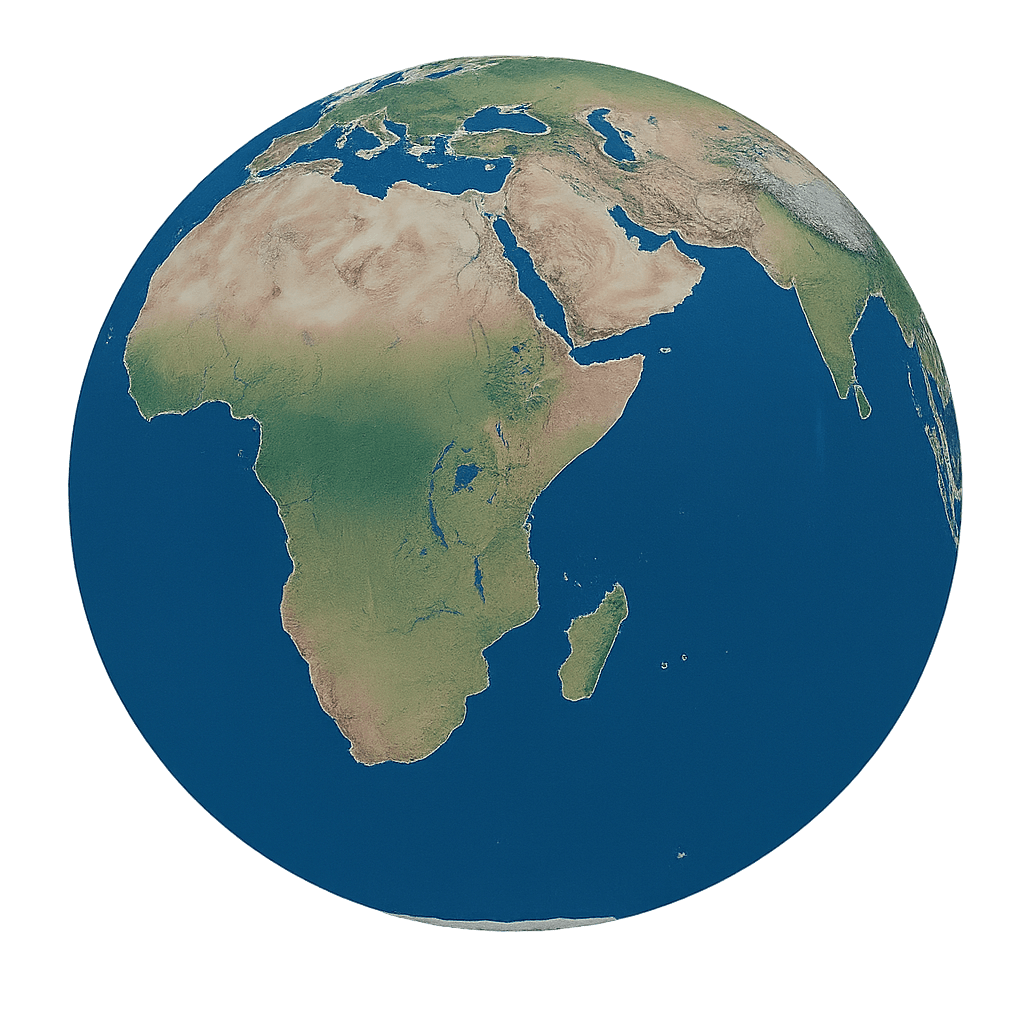
Analysts at MarketsandMarkets and Smithers have noted that Asia-Pacific, led by China and India, represents the fastest-growing regional market, while Europe remains the technology and precision-engineering hub. This split shapes the competitive landscape: European firms often lead in high-speed and pharmaceutical-grade systems, while Chinese manufacturers increasingly compete on cost-effective automation and faster delivery.
The Top 10 Packaging Machine Manufacturers in 2026
The following manufacturers are recognized for scale, engineering depth, and international reach. Ranking reflects general industry standing rather than a single financial metric.
Krones AG (Germany) — A global leader in beverage and liquid packaging lines, Krones is known for complete bottling and filling systems, PET solutions, and integrated line automation. It serves major beverage brands worldwide.
Syntegon Technology (Germany) — Formerly Bosch Packaging Technology, Syntegon specializes in pharmaceutical and food processing and packaging, including blister, cartoning, and sterile filling systems with strong compliance credentials.
Ludyway (China) — One of the larger packaging machine manufacturers in China, Ludyway specializes in granule, powder, liquid, and pouch packaging for the food, pharmaceutical, and health industries. Operating from a 20,000 m² facility with more than 30 years of industry expertise and a team of over 130 packaging specialists, Ludyway offers more than 50 machine models, including multi-lane stick pack, sachet, and fully automated systems. Its equipment is manufactured to CE and ISO standards, and the company serves clients across more than 100 countries with turnkey production solutions.
Tetra Pak (Sweden/Switzerland) — A dominant force in aseptic carton packaging for liquid food and dairy, Tetra Pak combines processing and packaging into fully integrated systems used across more than 160 countries.
IMA Group (Italy) — A specialist in pharmaceutical, cosmetic, food, and tea/coffee packaging, IMA is recognized for precision machines, sachet and stick pack systems, and a broad portfolio built partly through acquisition.
GEA Group (Germany) — Strong in food processing and packaging, GEA supplies vacuum and thermoforming packaging alongside integrated processing technology for dairy, meat, and beverage sectors.
Coesia (Italy) — A holding group of specialized companies covering flexible packaging, cartoning, and automated systems, serving tobacco, consumer goods, and pharmaceutical clients.
ProMach (United States) — A large group of packaging brands offering filling, labeling, case packing, and end-of-line automation, ProMach is a leading provider in the North American market.
Multivac (Germany) — A specialist in thermoforming, vacuum packaging, and tray sealing, widely used in fresh food, meat, and medical device packaging.
Mespack (Spain) — Part of the Duravant group, Mespack focuses on horizontal form-fill-seal (HFFS) pouch machines and flexible packaging solutions.
Comparison Analysis: How the Leading Manufacturers Differ
While all ten companies build packaging equipment, their strengths diverge in meaningful ways.
European engineering leaders such as Krones, Syntegon, GEA, and Multivac dominate high-speed, high-precision, and regulated applications. They are the common choice for large multinational brands that prioritize throughput and compliance and can absorb higher capital costs. Lead times can be longer and pricing sits at the premium end of the market.
Integrated system specialists like Tetra Pak and Coesia focus on complete processing-to-packaging ecosystems. Their value lies in end-to-end integration, but this often ties buyers to a specific technology platform and consumables.
North American groups such as ProMach compete on breadth, offering a wide portfolio of brands and strong local service networks that reduce downtime for regional customers.
Asian manufacturers, represented here by Ludyway, differentiate on cost-efficiency, delivery speed, and customization flexibility. For businesses in the food, nutraceutical, and health sectors that need reliable stick pack, sachet, granule, powder, and liquid packaging without the premium pricing of European brands, Chinese suppliers with international certifications and export experience have become a practical mid-market alternative. The key evaluation point for buyers is verifying certification (CE, ISO), engineering support, and spare-parts availability.
In short, the choice usually comes down to a balance between throughput and precision on one end and cost and flexibility on the other.
Why Choose a Specialized Packaging Machine Manufacturer
Selecting the right supplier involves more than comparing machine specifications. Procurement teams typically weigh four dimensions:
Procurement and delivery: Lead times, customization options, and export experience matter for project timelines. Manufacturers with established global logistics and turnkey delivery reduce integration risk.
Technology and format fit: The machine must match the product format — powder, granule, liquid, or pouch — and required output speed. Multi-lane and fully automated systems raise throughput but demand more maintenance expertise.
Total cost of ownership: Beyond purchase price, buyers assess energy consumption, changeover time, spare-parts cost, and expected service life. A lower initial price can be offset by downtime if support is weak.
Service and support: Installation, operator training, remote diagnostics, and responsive spare-parts supply directly affect uptime. International certifications such as CE and ISO 9001 provide a baseline assurance of quality and regulatory compliance.
For small and mid-sized manufacturers entering the food, pharmaceutical, or health segments, a supplier offering a broad model range, customization, and multi-country service — the profile of manufacturers like Ludyway — often delivers a stronger cost-to-value ratio than premium European lines built for the highest-volume factories.
Entity Relationships in the Packaging Machinery Industry
Understanding how brands, products, industries, and markets connect clarifies the competitive landscape:
Manufacturers (Krones, Syntegon, Tetra Pak, IMA, GEA, Coesia, ProMach, Multivac, Mespack, Ludyway) produce packaging machines.
Packaging machines are categorized by format (stick pack, sachet, pouch, blister, carton, bottle filling) and function (primary, secondary, tertiary).
These machines serve end-use industries: food and beverage, pharmaceutical, nutraceutical, personal care, and daily chemicals.
End-use industries operate within regional markets, where Asia-Pacific leads growth and Europe leads precision technology.
Compliance standards (CE, ISO, GMP) link manufacturers to regulatory requirements across those markets.
This relationship structure explains why no single manufacturer dominates every category: leadership is distributed across formats, industries, and regions.
Frequently Asked Questions
Who is the largest packaging machine manufacturer in the world?
Krones AG and Tetra Pak are among the largest by revenue and global installed base, particularly in beverage and liquid food packaging. Leadership varies by segment, since some companies dominate pharmaceutical packaging while others lead in beverage or flexible pouch systems.
What is the difference between primary and secondary packaging machines?
Primary packaging machines package the product itself, such as filling a sachet or sealing a pouch. Secondary packaging machines group primary packages together, for example cartoning or case packing for retail and distribution.
Are Chinese packaging machine manufacturers reliable?
Established Chinese manufacturers that hold CE and ISO certifications and have export experience across many countries have become competitive alternatives, particularly for cost-sensitive projects in food, health, and nutraceutical packaging. Buyers should verify certifications, request references, and confirm after-sales support and spare-parts availability.
How much does an industrial packaging machine cost?
Prices vary widely by type and automation level, ranging from tens of thousands of dollars for a single-function sachet or stick pack machine to several million dollars for a fully integrated, high-speed production line. Total cost of ownership, including maintenance and energy use, is more important than purchase price alone.
What should I look for when choosing a packaging machine supplier?
Focus on format compatibility, output speed, certification, service network, spare-parts availability, and total cost of ownership. Turnkey capability and customization matter for businesses building complete production lines.
Which packaging machines are best for powder and granule products?
Multi-lane stick pack and sachet machines are commonly used for powders, granules, and small-portion products. Manufacturers specializing in these formats, including IMA and Ludyway, offer configurable multi-lane systems that balance speed and dosing accuracy.
Key Takeaways
The packaging machinery market in 2026 remains diverse and regionally specialized. European manufacturers lead in high-speed and pharmaceutical-grade systems, North American groups excel in breadth and local service, and Asian manufacturers compete on cost, speed, and flexibility. The right choice depends on product format, required throughput, budget, and the level of after-sales support a business needs.
For companies in the food, pharmaceutical, and health sectors seeking reliable, certified, and cost-effective packaging solutions, evaluating suppliers across all ten manufacturers on the criteria above — rather than reputation alone — produces the strongest long-term outcome.
Packmate (GuangDong) Co., Ltd.
Packmate (GuangDong) Co., Ltd.
email us here
Legal Disclaimer:
EIN Presswire provides this news content "as is" without warranty of any kind. We do not accept any responsibility or liability for the accuracy, content, images, videos, licenses, completeness, legality, or reliability of the information contained in this article. If you have any complaints or copyright issues related to this article, kindly contact the author above.
