
Sustainable Manufacturing: How a High Quality Automated Hydraulic Rolling Lines Factory Optimizes Energy Use

Precision Engineering as a Catalyst for Resource Efficiency
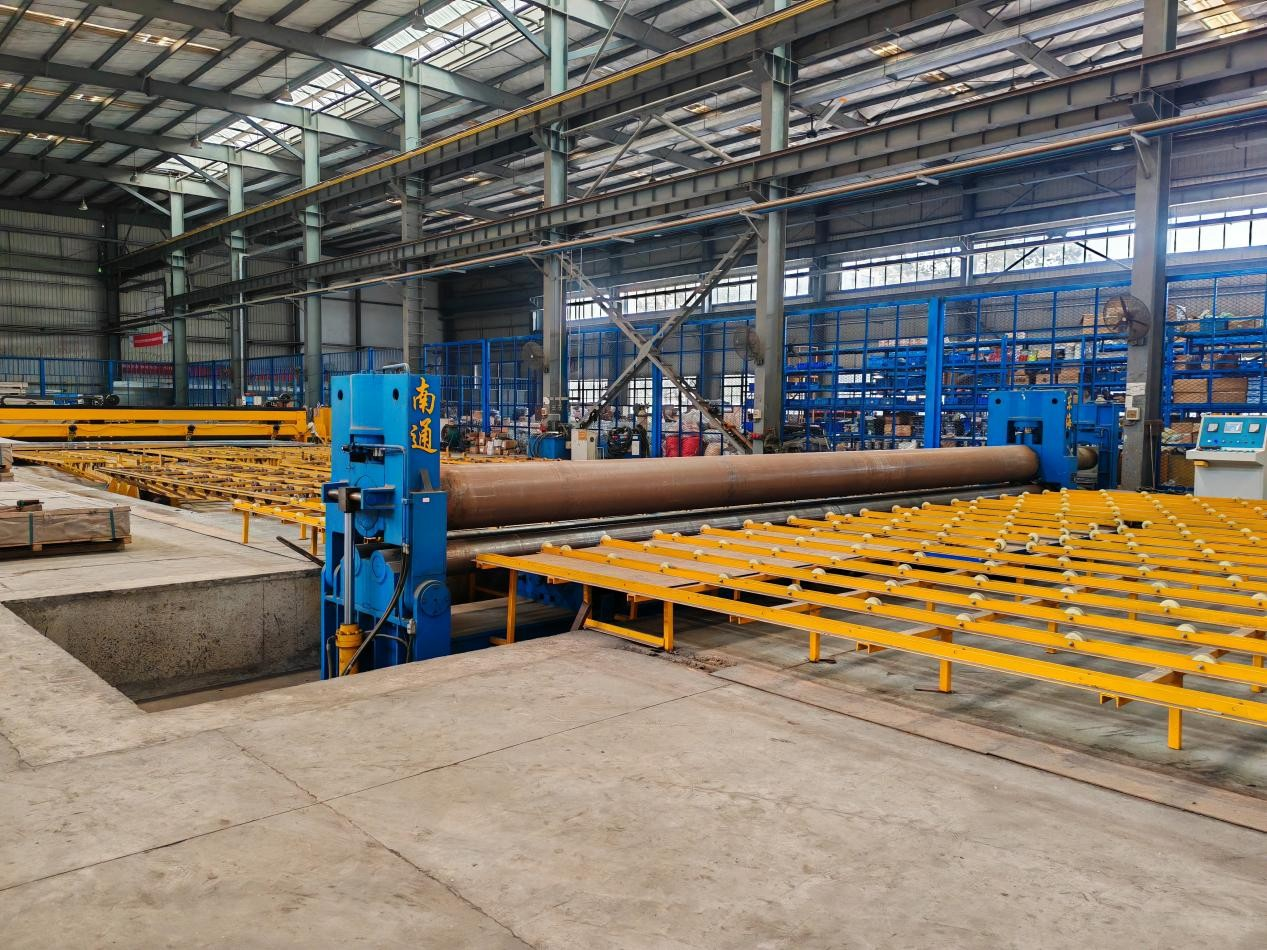
At the heart of any sustainable manufacturing strategy is the reduction of waste, and in the world of heavy plate rolling, waste is often a byproduct of precision errors. CCIG’s technical approach is centered on the W11Y-10 x 9500 Plate Rolling Machine, a flagship of hydraulic engineering designed for high-capacity output. This equipment is capable of processing plates with a maximum width of 9500mm and thicknesses ranging from 3mm to 10mm. While these dimensions allow for the creation of massive industrial components, it is the accuracy of the system that contributes most significantly to its green credentials.
By achieving a rolling accuracy of ≤ 0.5 mm/m, the facility ensures that structural components meet exact specifications on the first pass. In traditional manufacturing, slight deviations in plate curvature necessitate energy-intensive rework or, in the worst cases, result in material scrapping. High-precision rolling eliminates these secondary corrective processes, thereby conserving the embodied energy of the raw steel and reducing the total kilowatt-hours required per ton of finished product. In this context, accuracy is more than a quality metric; it is a vital component of energy optimization.
Versatility in Form: Catering to the Green Energy Infrastructure
The demand for sustainable manufacturing is often driven by the very industries that provide renewable energy, such as wind power and hydroelectricity. CCIG’s automated hydraulic lines are engineered for multi-functional forming, capable of producing cylinders, arcs, and cones with equal efficiency. This flexibility allows the factory to serve a wide array of industrial scenarios, from the fabrication of large-scale pressure vessels to the precision cones required for wind turbine towers.
This versatility ensures that a single high-efficiency line can handle diverse projects without the need for multiple, energy-draining specialized machines. For the global infrastructure market, this means that the complex structural requirements of modern "green" projects can be met through a streamlined production process. By adapting to varying geometric demands through automated control systems, CCIG reduces the setup times and idle energy consumption typically associated with transitioning between different production runs, further enhancing the operational sustainability of the facility.
Technical Analysis: Hydraulic Automation and Power Optimization
A deeper analysis of CCIG’s advanced manufacturing capabilities reveals a sophisticated integration of hydraulic power and digital control. Traditional mechanical rolling lines often suffer from energy loss during idling or through inefficient power transmission. In contrast, the modern hydraulic systems utilized in CCIG’s production lines are designed to optimize torque delivery according to the specific resistance of the material being processed.
With a variable rolling speed ranging from 3 to 8 m/min, the automated system can adjust its power output in real-time. For thinner 3mm plates, the system can operate at higher speeds with lower pressure, while thicker 10mm plates trigger high-torque, lower-speed cycles that maximize the efficiency of the hydraulic pumps. This demand-responsive power management prevents the over-consumption of electricity. Furthermore, the automation of these lines ensures that the hydraulic pressure is maintained only when active work is being performed, significantly lowering the "base load" energy consumption of the factory. This systematic reduction in non-productive energy use is a hallmark of a factory committed to international environmental management standards.
Corporate Heritage and the Synergy of Global R&D
The ability to deliver such high-level technical solutions is rooted in CCIG’s unique corporate structure and global footprint. Founded in 2016 and formerly known as "CRRC Urban Transportation Co., Ltd," CCIG is a mixed-ownership, state-owned capital holding enterprise. As a joint venture between CRRC and local state-owned capital in the Yangtze River Delta region, it operates as a pilot field for state enterprise reform and a pathfinder for capital innovation.
Headquartered in Fenhu, Wujiang, Suzhou—a demonstration zone for Yangtze River Delta integration—the company manages total assets of nearly 50 billion yuan and a workforce of nearly 10,000. This scale allows CCIG to maintain a robust research and development network, including electromechanical and electrical research institutes in Germany and Japan. By incorporating German precision engineering and Japanese electronic control expertise, CCIG ensures that its hydraulic rolling lines are designed with a global perspective on energy efficiency. This international R&D synergy allows the company to implement the latest environmental management systems (ISO 14001) and occupational health and safety standards (ISO 45001) across its manufacturing bases in the Yangtze River Delta, Pearl River Delta, Central China, and international hubs in Hungary and Malaysia.
Building a Circular and Intelligent Supply Chain
The strategic vision of CCIG extends beyond the performance of individual machines to the transformation of regional traditional industries. By acting as a service provider for industrial upgrading, the company helps its partners transition toward smarter, cleaner production models. The use of high-strength plate leveling and automated rolling lines is part of a broader "End-To-End" precision manufacturing service that seeks to minimize the environmental footprint of the entire supply chain.
As industries move toward "Industry 4.0," the integration of data and automation becomes the key to sustainability. CCIG’s intelligent automation platforms allow for the tracking of energy metrics across the production cycle, providing the transparency required for modern ESG (Environmental, Social, and Governance) reporting. This capability is particularly valuable for global brands looking to verify the sustainability of their Tier 1 and Tier 2 suppliers.
Real-World Impact: European Transit Transformation
ESG Success Story: European BRT Fleet Manufacturing Project
Client: Major European Metropolitan Transit Authority (2024-2025)
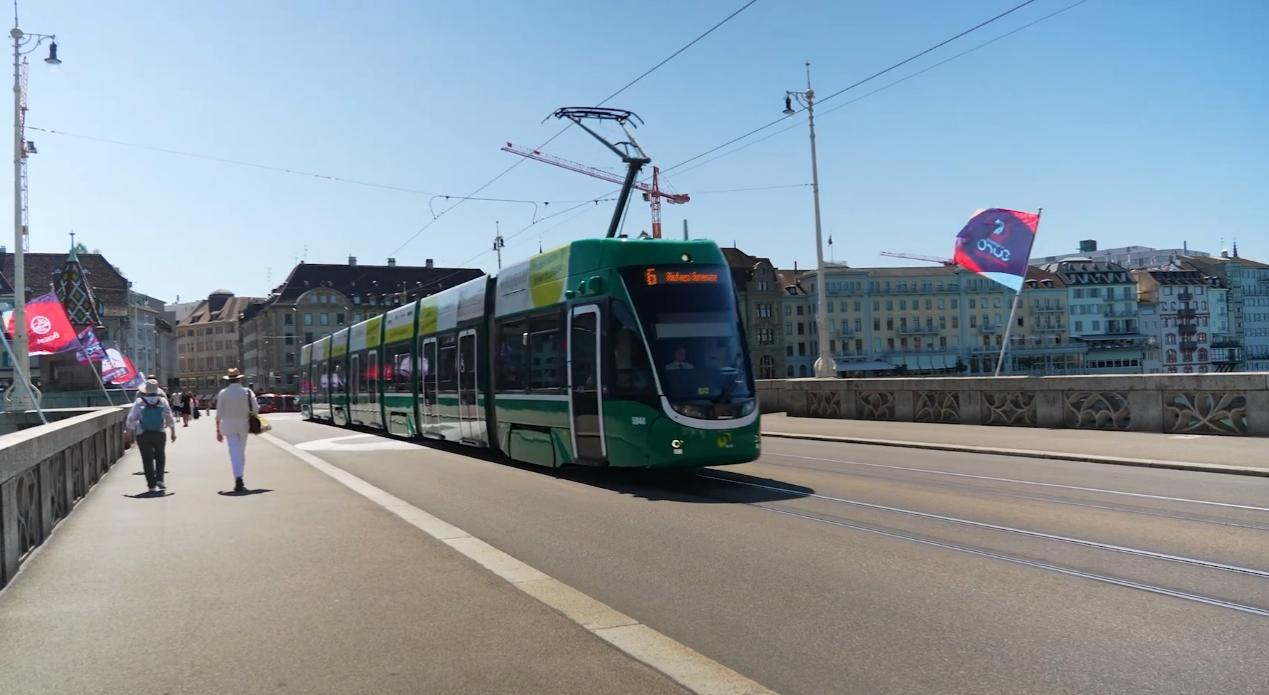
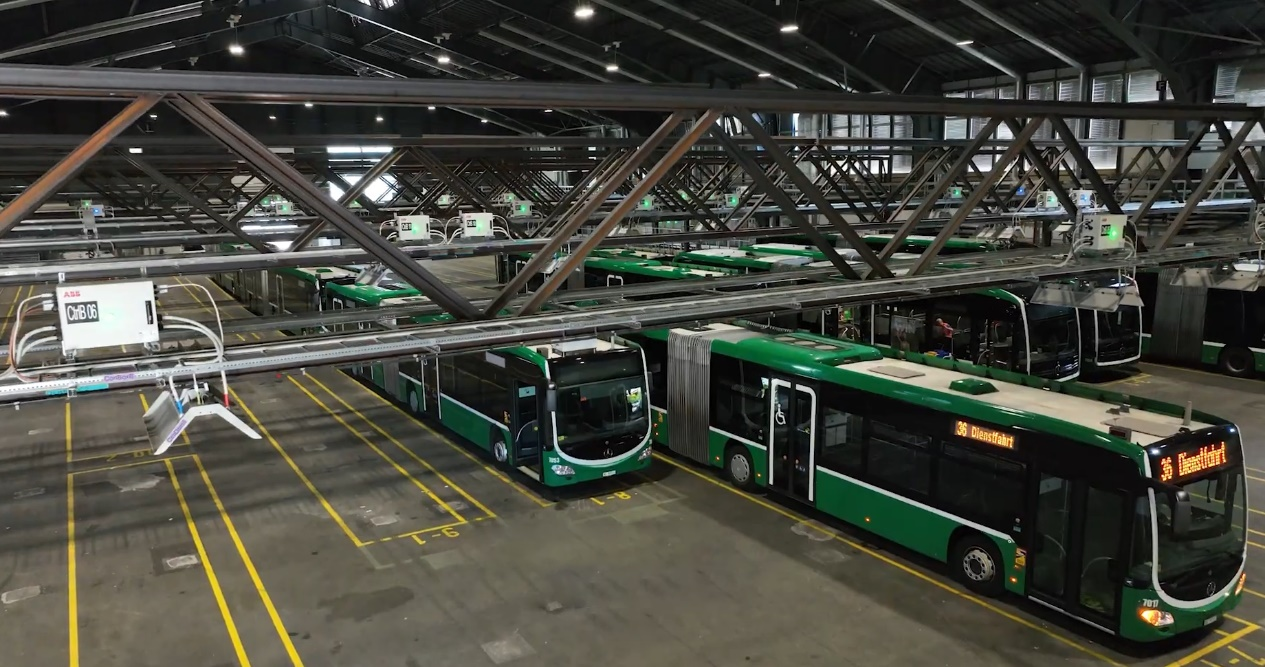
Challenge: A leading European city's ambitious "Zero-Emission Transit 2030" initiative required 85 articulated electric buses for its expanded BRT network. Their existing body supplier faced critical ESG compliance issues: 16% rework rates on curved roof panels and sidewall components resulted in excessive energy waste and 130kg steel scrap per vehicle—jeopardizing EU Taxonomy alignment required for €45M green bond financing.
CCIG Solution: CCIG's High Quality Automated Hydraulic Rolling Lines Factory manufactured precision body structural components using the W11Y-10×9500 system, producing:
·18-meter articulated bus roof beams (9500mm width capacity)
·Curved sidewall reinforcement panels
·High-strength articulation junction structures
Environmental Impact:
·29% energy reduction per vehicle body (from 465kWh to 330kWh)
·Total savings: 11,475 kWh across fleet production
·Carbon avoidance: 94 tons CO₂ (EU grid average)
·Material efficiency: 98.2% utilization rate, eliminating 11 tons steel waste
Client Testimonial: CCIG transformed ESG compliance from burden to competitive advantage. Their precision-driven approach proved large-scale transit manufacturing can achieve both operational excellence and environmental accountability.
Conclusion: Driving the Future of Sustainable Industry
The evolution of the High Quality Automated Hydraulic Rolling Lines Factory represents a significant milestone in the journey toward sustainable heavy manufacturing. CCIG has demonstrated that the massive power required for metal forming can be harnessed with surgical precision and energetic thrift. By combining the stability of state-owned capital with the agility of global technical research, the enterprise is providing the industrial foundation necessary for a low-carbon future.
As global manufacturing continues to adapt to the realities of climate change, the emphasis will remain on those who can deliver "more with less"—more precision with less waste, and more output with less energy. CCIG’s commitment to advanced robotic welding, high-precision CNC machining, and automated hydraulic systems ensures it remains at the forefront of this industrial transition. For global partners seeking to reconcile high-capacity fabrication with environmental responsibility, the solutions provided by CCIG offer a proven roadmap for sustainable growth.
For more information on CCIG’s advanced manufacturing solutions, visit: https://www.ccig-ind.com/.
CHINA CITY INDUSTRIAL GROUP CO.,LTD
CHINA CITY INDUSTRIAL GROUP CO.,LTD
+ +86 15921115720
william.zuo1984@gmail.com
Visit us on social media:
YouTube
X
Legal Disclaimer:
EIN Presswire provides this news content "as is" without warranty of any kind. We do not accept any responsibility or liability for the accuracy, content, images, videos, licenses, completeness, legality, or reliability of the information contained in this article. If you have any complaints or copyright issues related to this article, kindly contact the author above.
